When reviewing low-top QC photos on fashionreps, the first thing to confirm isn't the upper color or stitching, but whether the images actually correspond to the item you intend to buy. The image evidence available for this review corresponds to the Nike SB Dunk Low "Otomo Katsuhiro / Steamboy OST", not a Yeezy low-top. Therefore, the following inspection methods can be applied to Yeezy, but the visible content in the images ca
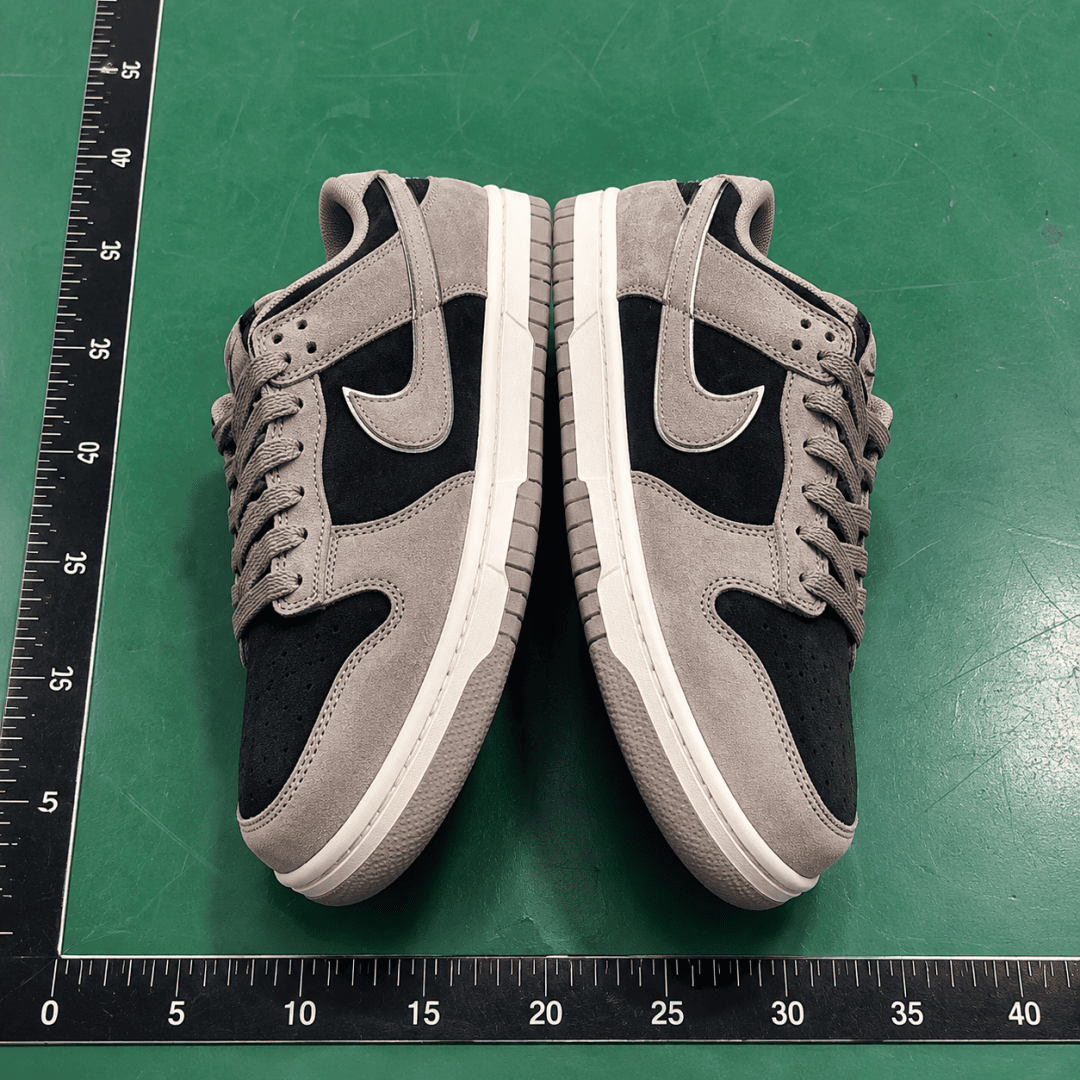
When reviewing low-top QC photos on fashionreps, the first thing to confirm isn't the upper color or stitching, but whether the images actually correspond to the item you intend to buy. The image evidence available for this review corresponds to the Nike SB Dunk Low "Otomo Katsuhiro / Steamboy OST", not a Yeezy low-top. Therefore, the following inspection methods can be applied to Yeezy, but the visible content in the images cannot be treated as evidence of Yeezy quality, sizing, or authenticity. ⚠️
Clarify the Purchase Decision This QC Review Solves
After reviewing the QC photos, you should be able to do three things: confirm whether the images belong to the target product, determine whether visible appearance issues warrant further inquiry, and pause the purchase or request additional information when sizing or key details cannot be confirmed.
This method applies when you have already found a specific product detail page that provides a View QC Photos entry and the images show the upper, sole, and size markings. It does not apply when you only have main product images, category thumbnails, blurry screenshots, or images where the product identity cannot be confirmed.
Confirm the Product Detail Page First, Then Access QC Photos
The correct workflow starts from the specific product detail page:
- Open the target product detail page and verify the product name, color description, size range, and any identifying information on the page.
- Find the View QC Photos button on that product page.
- Use that button to enter the QC photo gallery for the same product.
- Compare the shoe shape, colorway, sole pattern, and size tag in the photos to confirm the images haven't jumped to another product.
- Record the image evidence separately from the product page information.
The source description for the specified images indicates that they actually correspond to the Nike SB Dunk Low "Otomo Katsuhiro / Steamboy OST", and the page summary also shows it as a low-top with padding, along with conflicting size information. It cannot prove anything about the upper, sole, or sizing of a specific pair of Yeezys. 🧾

The public QC evidence corresponding to the images should be identified by the actual product name, not relabeled as Yeezy just because of the article title. If you are on a Yeezy product page but see this Nike image, you should stop your assessment and re-enter View QC Photos from the correct product page.
Check Upper Silhouette, Color, and Laces
After entering the correct product's QC gallery, observe the upper in a consistent order:
- Whether the toe boxes are roughly symmetrical left and right, and whether there is obvious collapse, skew, or abnormal bulging.
- Whether the overall silhouette matches the style shown on the product page, paying particular attention to the collar height and forefoot proportions of a low-top.
- Whether there is a noticeable color difference between the left and right shoes. Different lighting can alter color perception, so only note differences visible in the photos, not conclude that the actual material colors are completely consistent.
- Whether the lace holes, lace direction, and tongue position are significantly skewed or loose.
- Whether the stitching has large skipped or broken sections, severe misalignment, or thread buildup.
- Whether prints, logos, or decorative panels are significantly misaligned, missing, or inconsistent with the product page style.
These observations only indicate visible anomalies in the photos. They do not equate to confirmation of material feel, durability, authenticity, or long-term wear performance. Do not write "quality is guaranteed" just because "no obvious issues are visible in the photos."
Inspect Sole Edges, Glue Lines, and Visible Wear
After zooming in, focus on the junction between the upper and midsole, the sole edges, and the heel area:
- Whether there are continuous, obvious overflow of glue marks.
- Whether the sole edges have large areas of separation, uneven pressing, or obvious deformation.
- Whether the midsole color is consistent with the product page description and other angle images.
- Whether the sole tread pattern is fully visible, and whether there are suspected severe defects or stains.
- Whether the upper, sole, and heel show obvious scratches, dents, dirt, or wear.
Light reflections, compression noise, and shooting angles can create visual effects similar to flaws. If an issue appears only in one low-resolution image, mark it as needing a retake rather than directly concluding it's a defect. 🔍
Compare Size Markings with Product Page Specifications
Size verification requires checking both the product page and the inner shoe label, not just the numbers in the title. When checking, note:
- The size range listed on the product page.
- Whether the inner shoe label in the QC photos is clearly legible.
- Whether the size, regional standard, and product page selection on the label are consistent.
- Whether both left and right shoe labels can be confirmed and whether there is obvious inconsistency.
- Whether the page displays multiple conflicting size ranges.
The page summary for the verifiable Nike SB Dunk Low shows different size ranges simultaneously, and public reference information has discrepancies regarding fit. This only means you need to confirm the specific size and stock with the seller before ordering, not deduce a size recommendation for Yeezy. For Yeezy, if the photos lack clear labels, foot length measurements, or a clear seller response, do not treat general experience as a definite conclusion for that specific product. 📏
Distinguish Between Image Evidence, Editorial Judgment, and Unconfirmable Content
QC conclusions can be divided into three layers:
The first layer is visible evidence in the images, such as "a dark dot-like mark is visible near the right shoe's toe area," "the inner label text cannot be fully read," or "the left and right shoes look different in color under current lighting." Such statements should describe the location and visible phenomenon as much as possible.
The second layer is editorial judgment, such as "this issue warrants requesting additional photos," "current images are insufficient to support size confirmation," or "product identity is inconsistent with images, so the purchase should be paused." Such judgments must be based on the preceding visible evidence.
The third layer is currently unconfirmable content, such as actual material feel, wearing comfort, durability, authenticity, whether changes will occur after shipping, and whether the seller will definitely accept returns or exchanges. QC photos cannot replace physical inspection, nor do they provide authenticity or quality assurance.
Action Checklist After Identifying Issues
If you find that the images do not match the product:
- Return to the specific product detail page and click that product's own View QC Photos again.
- Save the product name, color, and size information to avoid mixing up images from different products.
- Pause payment or subsequent actions until identity is confirmed.
If you find suspected issues with the upper, glue lines, or sole:
- Indicate the photo angle, left/right foot, and approximate location.
- Request retakes of clearer close-ups and another angle.
- Ask the seller whether the issue is within an acceptable range and what return/exchange conditions apply on the platform.
- Do not interpret "may be able to handle" as approval for return/exchange before receiving a clear response.
If you find the size information unclear:
- Ask the seller to confirm the actual available size and label information.
- Provide foot length, foot width, and your usual size, but do not order based solely on general experience with a brand or model.
- Check the return/exchange window, who bears the costs, and applicable conditions.
Conclusion: First Confirm Whose Photos They Are, Then Decide Whether to Proceed
The available QC image evidence this time points to the Nike SB Dunk Low "Otomo Katsuhiro / Steamboy OST" and cannot serve as direct evidence for a Yeezy low-top. For Yeezy products, the safest decision sequence is: first enter View QC Photos from the correct product detail page, then check the upper silhouette, colorway, stitching, sole edge, and size label, and finally organize visible issues into a list for retakes or inquiries.
If the image identity is confirmed correct, key areas are clear, and there are no obvious abnormalities, you can proceed to the next step of asking about price, stock, and after-sales conditions; if the product identity is inconsistent, the size label is unreadable, or there are obvious issues with the sole and upper that cannot be ruled out, you should pause the purchase. This approach will not eliminate all risks of receiving a bad product, but it can reduce losses caused by image mix-ups, insufficient information, or misreading sizes.
Editor score 4.2 / 5